
At-a-Glance
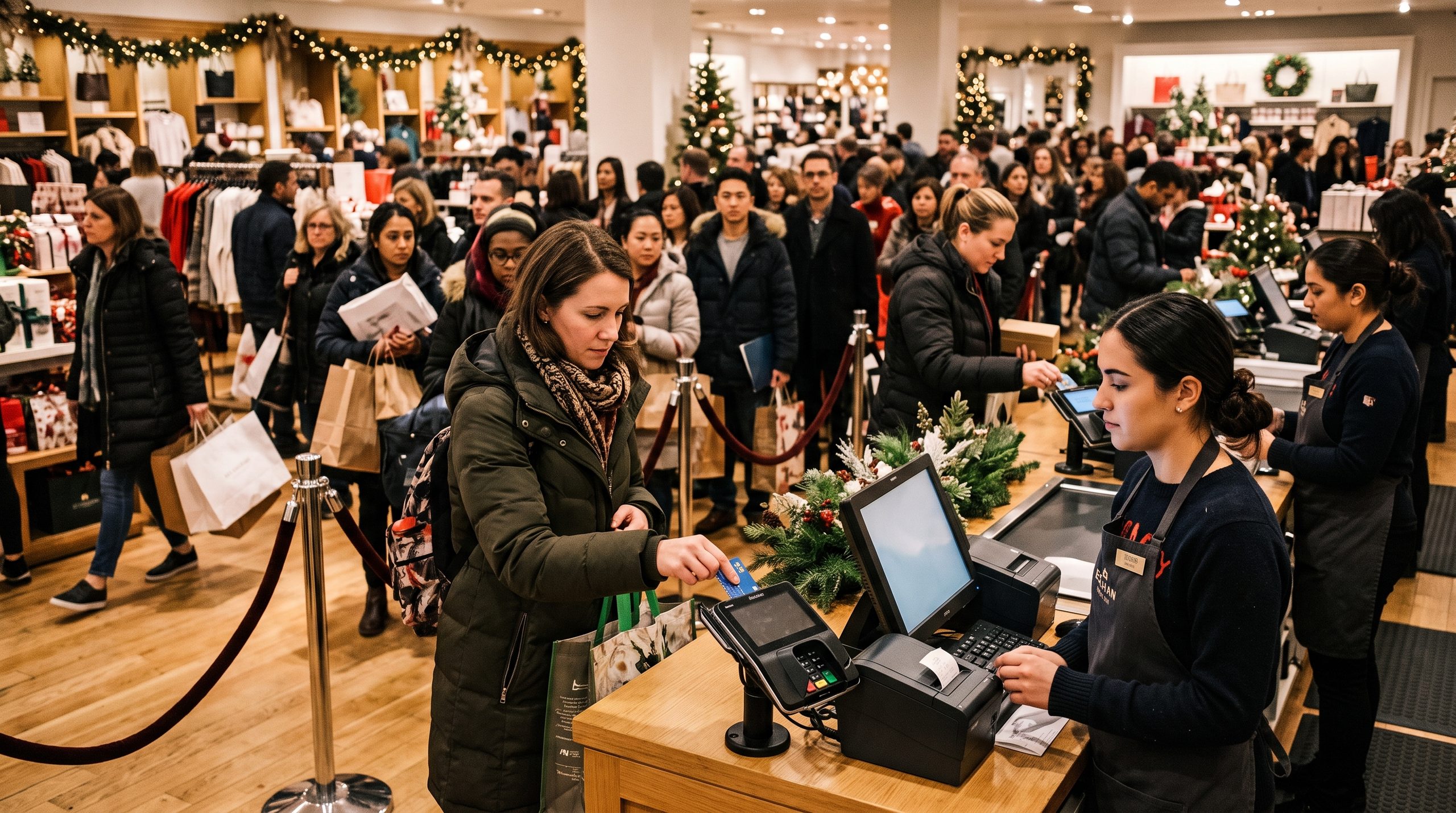
Visa tightened its Visa Acquirer Monitoring Program (VAMP) “Excessive” merchant threshold from 2.2% to 1.5%, effective April 1, 2026. The ratio counts fraud reports plus disputes against total settled card-not-present transactions — which means the holiday season, when both sales volume and fraud attempts spike together, is exactly when a retailer is most likely to cross it. With clear monitoring, the right authentication tools, and a plan before Black Friday, most merchants can stay comfortably under the new line.
Why This Matters Now
If you sell online, you’ve probably heard chargebacks are a cost of doing business. What’s changed is how closely the card networks are watching. Visa’s VAMP threshold — the ratio that determines whether a merchant gets flagged as “excessive” — dropped from 2.2% to 1.5% this year. That’s a meaningful tightening, and it lands right before the quarter when card-not-present volume, and fraud attempts, both climb fastest.
Industry chargeback data backs up why this timing matters: U.S. chargeback volume is projected to reach roughly 146 million transactions in 2026, and card-not-present fraud losses are estimated to climb toward $28 billion for the year. None of that is evenly distributed across the calendar — it concentrates hard in November and December.
What the VAMP Ratio Actually Counts
The VAMP ratio isn’t just chargebacks. It combines:
- Fraud reports — transactions flagged as fraudulent by the cardholder’s bank
- Disputes — chargebacks filed for any reason, including “friendly fraud” where a legitimate customer disputes a real purchase
Both get counted against your total settled card-not-present transaction volume for the period. That means a spike in either fraud attempts or return-driven disputes during the holidays can push your ratio up fast — even if your actual fraud losses feel manageable in dollar terms.
Why Holiday Season Is the Riskiest Window
Two things happen at once during Q4:
- Transaction volume surges. More card-not-present sales means more opportunities for both fraud and disputes.
- Friendly fraud rises. Gift purchases, “I didn’t recognize this charge” confusion, and buyer’s remorse after big-ticket holiday spending all tend to push dispute rates up — separate from actual criminal fraud.
Practical Steps Before Black Friday
- Know your current ratio. Ask your processor for your VAMP-relevant fraud and dispute rate now, not in November.
- Tighten authentication on card-not-present sales. Address verification (AVS) and CVV checks catch a meaningful share of fraud attempts before they become chargebacks.
- Use dispute alerts. Many processors offer early-warning systems that flag a dispute before it escalates to a full chargeback — giving you a chance to refund or resolve it first.
- Communicate clearly at checkout and on statements. A large share of “friendly fraud” disputes happen simply because a customer didn’t recognize the charge description on their statement. Clear, recognizable billing descriptors reduce this category significantly.
- Watch your refund process. Making refunds easy and fast reduces the temptation for customers to skip straight to a dispute.
The Bottom Line
The 1.5% threshold isn’t a reason to panic, but it is a reason to check your numbers before your busiest quarter, not after. A little preparation in September saves a difficult conversation with your processor in January.
Get Ahead of Holiday Fraud and Disputes
Don’t wait until holiday chargebacks start adding up to find out your business is approaching the VAMP threshold. Media Payments Group can help review your current processing activity, identify potential fraud and dispute risks, and make sure you have the right tools in place before Q4 volume peaks.
Contact Media Payments Group today to strengthen your payment strategy before the holiday rush.
FAQ
What happens if I go over the VAMP threshold?
Processors and card networks can apply monitoring fees, require a remediation plan, or in persistent cases restrict processing. It’s best addressed before it happens.
Does this apply to in-person retail sales?
The VAMP ratio is specific to card-not-present transactions — online, phone, and keyed-in sales. In-person EMV and tap transactions carry a different, much lower average fraud rate.
Can Media Payments Group help me check my current ratio?
Yes — our team can review your processing statements and flag where your fraud and dispute rate currently stands relative to the new threshold.