
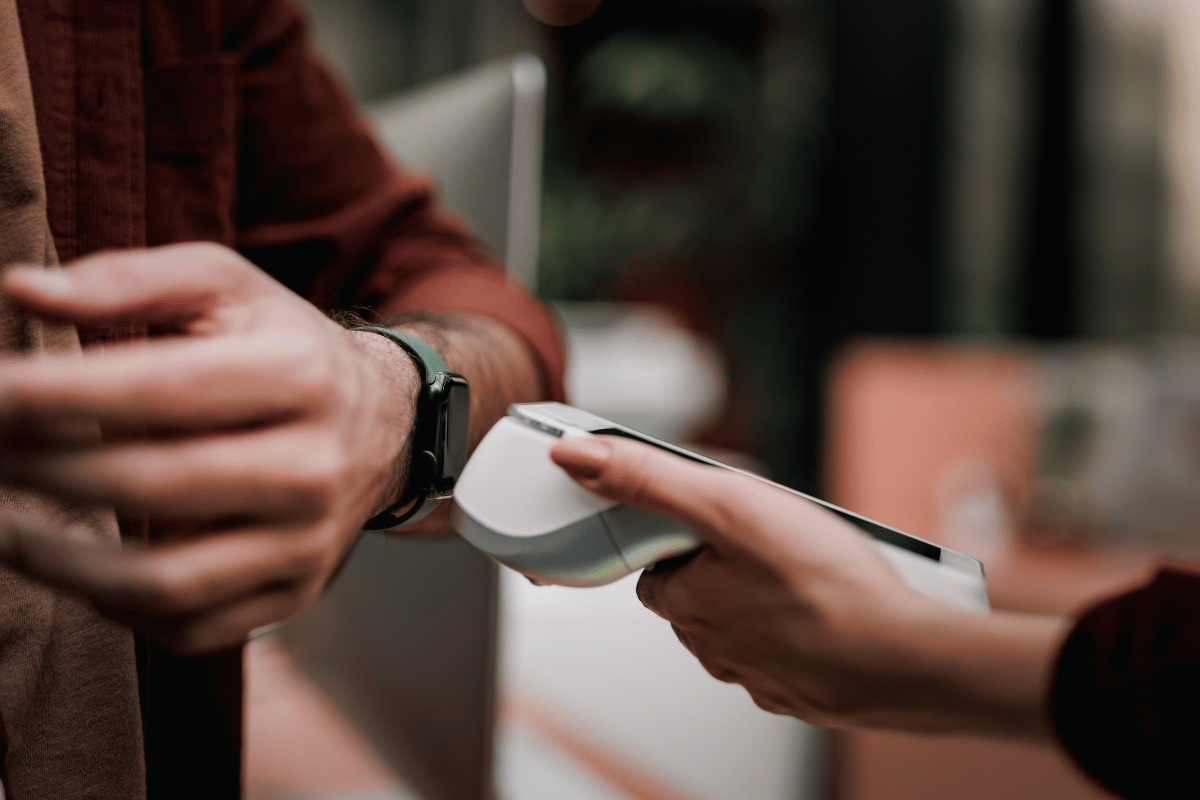
At-a-Glance: Chip (EMV) and tap-to-pay are now the default for in-person payments. Upgrading reduces fraud liability, speeds checkout, and meets customer expectations. The move is straightforward when your hardware and processor support contactless out of the box.
The magnetic stripe had a long run, but its days as the primary way Americans pay in person are over. Customers now expect to tap a card or phone and be done in a second, and the liability rules around chip cards mean clinging to the swipe can cost you money when fraud occurs. For small and medium businesses, the upgrade to EMV and contactless is less about chasing trends and more about reducing risk and friction at the counter. This article explains what changed, why it matters for your bottom line, and how to upgrade your payment hardware and POS without disrupting daily operations.
From Swipe to Chip to Tap
The shift did not happen overnight, but it is now effectively complete in customer behavior. Walk into almost any store and you will see shoppers instinctively reaching to tap a card or phone, sometimes before the cashier has finished ringing up the order. Meeting that expectation is no longer a differentiator—it is the baseline.
EMV chip cards encrypt each transaction with a unique code, making counterfeit fraud far harder than with a static magnetic stripe. Contactless (tap) builds on the same chip technology, letting customers pay by tapping a card or a phone wallet. Both are now standard expectations at the point of sale.
Why the Swipe Is Fading
- Fraud liability: For chip-capable cards, liability can shift to the party that did not support the chip transaction.
- Speed: Tap is typically faster than swipe-and-sign or even chip insert.
- Customer habit: Many shoppers reach to tap before anything else.
What This Means for SMBs
The fraud-liability point is worth dwelling on because it carries a real dollar cost. Under the liability framework that accompanied chip adoption, a merchant who cannot accept a chip transaction can become responsible for certain counterfeit-fraud losses that would otherwise fall elsewhere. For a busy store, even occasional liability can outweigh the modest cost of upgrading hardware.
- Lower fraud exposure: Accepting chip and contactless reduces your counterfeit-fraud liability.
- Faster lines: Tap shortens transaction time, which matters at peak hours.
- Future-proofing: Mobile wallets and tap-enabled cards keep growing.
Speed compounds at scale, too. Shaving a few seconds off each transaction may sound trivial, but across hundreds of daily checkouts during a rush, it adds up to shorter lines, happier customers, and more throughput per hour.
Upgrading Without Disruption
The single most common cause of upgrade friction is surprising staff with new prompts mid-shift. A short briefing—what the screen will ask, how to guide a hesitant customer—prevents the awkward pauses that slow lines and erode confidence in the new equipment.
- Confirm your current terminals or POS system support EMV and contactless.
- If not, plan a phased hardware swap during slower hours.
- Test chip and tap transactions before going live.
- Brief staff on prompts so they can guide customers smoothly.
- Keep a backup acceptance method during the transition.
A Practical Upgrade Story
A neighborhood café still running older swipe terminals noticed two recurring problems: lines backed up during the morning rush, and the owner occasionally absorbed fraud-related losses on disputed card-present transactions. Both traced back to outdated hardware.
After upgrading to EMV- and contactless-ready terminals, the morning experience changed almost immediately. Regulars tapped their phones and were gone in seconds, the line moved faster, and the staff stopped fielding questions about why the terminal would not accept a tap. The fraud-liability exposure that came with the old swipe-only setup also receded, because the café could now accept chip transactions properly. The upgrade paid for itself in throughput and reduced risk well before the year was out.
Planning Your Transition
The smoothest upgrades are scheduled, not rushed. Choose a slower part of the week, confirm in advance that your new hardware supports both chip and contactless, and run a few test transactions before the first customer arrives. A short staff briefing—covering what the screen prompts and how to help a hesitant customer—prevents the awkward pauses that slow a line.
Keeping a backup acceptance method on hand during the switch removes any risk of downtime. With a little planning, the move from swipe to tap is something your customers notice only because checkout suddenly got faster.
How Media Payments Group Helps
Media Payments Group provisions EMV- and contactless-ready hardware and POS so in-person acceptance is fast and secure from day one. We handle setup, testing, and staff guidance, and our US-based support team is a phone call away if a terminal needs attention. Whether you run a single counter or many locations, we make the move to tap painless and lead with the full acceptance solution, not just a rate.
What sets this apart is the combination: a tailored solution rather than a one-size-fits-all product, transparent pricing instead of rate gimmicks, and US-based support with a direct account representative who actually knows your business. MPG handles every form of acceptance—in-person, card-not-present, ACH, and ecommerce—so as your needs evolve, your payment partner evolves with you instead of forcing a switch. That continuity is what turns a vendor into a long-term partner.
Practical Takeaways
- Confirm your hardware supports both chip and contactless.
- Prioritize the upgrade to reduce fraud liability and speed checkout.
- Phase any hardware swap during slow periods to avoid disruption.
- Train staff on the prompts so customers are not confused.
- Lean on contactless to shorten lines during peak hours.
EMV and contactless are no longer optional extras—they are how in-person payments work now. Upgrading lowers your fraud liability, speeds up checkout, and meets what customers already expect when they reach for a card or phone. Media Payments Group makes the transition simple with ready-to-go hardware, hands-on setup, and US-based support, so your business stays current without missing a beat.
Ready to move forward? See how MPG can tailor a solution for your business or contact our US-based team.
Frequently Asked Questions
Is the magnetic stripe still accepted? Many terminals can still read a stripe as a fallback, but chip and contactless are now the primary methods—and relying on the stripe can increase your fraud liability for chip-capable cards.
Do I need new hardware for tap-to-pay? You need terminals or a POS that support contactless. Much modern hardware already does; if yours does not, an upgrade is straightforward and MPG can provision compatible devices.
Does contactless cost more to accept? Tap transactions are processed like other card-present payments. The bigger financial factor is reduced fraud liability and faster checkout, not a different fee category.
Will upgrading disrupt my business? Not if it is planned. MPG schedules setup and testing around your hours and briefs your staff, so the switch is seamless.