
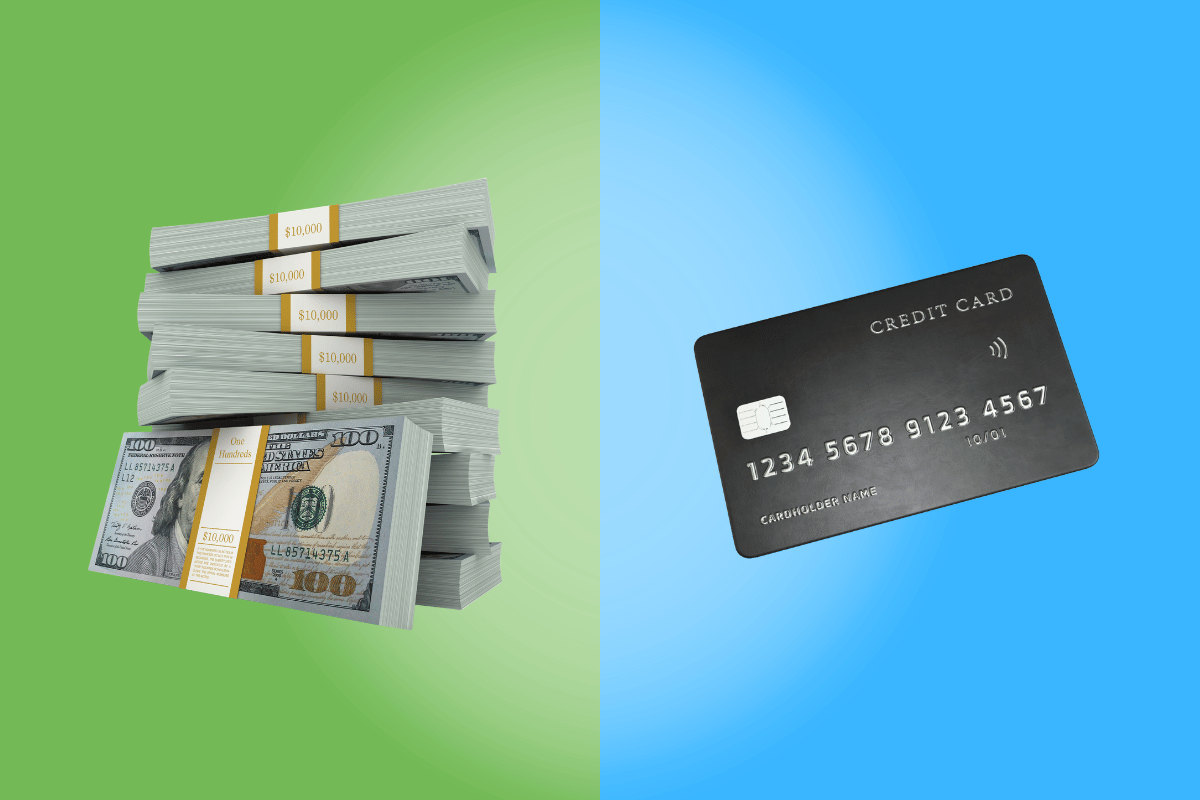
At‑a‑Glance: Both models aim to recover card acceptance costs, but they feel different to customers and follow different rules. Dual pricing presents two prices; surcharging adds a fee at checkout.
Definitions
- Dual Pricing: Show a cash price and a card price. Customer chooses.
- Surcharging: Add a fee to card payments at checkout, within brand/state rules.
Compliance & Card‑Brand Considerations
- Dual pricing focuses on transparent pricing on menus/labels/receipts.
- Surcharging requires specific disclosures, caps, and card exclusions that vary.
Customer Experience
- Dual pricing feels like a choice; prices are known before checkout.
- Surcharging can surprise guests if not communicated early.
Operational Fit
- Restaurants/Retail: Dual pricing maps cleanly to menus and shelf labels.
- Service/Invoices: Surcharging may be easier to administer on invoices.
Choosing What’s Right for You
- Consider ticket size, customer expectations, and your tolerance for policy complexity.
- Test messaging for 30 days and measure feedback and effective rate.
MPG Implementation Steps
- Templates for signage/receipts and website language.
- POS configuration for dual pricing or surcharging, as your policy dictates.
- US‑based support to train staff and monitor results.
FAQ
Will dual pricing hurt reviews? Clear, upfront communication keeps sentiment neutral to positive.
Can I run both models? You should choose one per location to avoid confusion; many multi‑location groups pick the same policy chain‑wide.
Ready to optimize payments across every channel? Schedule a free consultation with a US‑based MPG specialist and get a rollout plan tailored to your business.